Electro-synthesis (plasma) polymerization
The science of non-thermal cold-plasma electro-synthesis - shifting the paradigm from traditional thermal chemistry to advanced cold-plasma polymerization
The process in brief
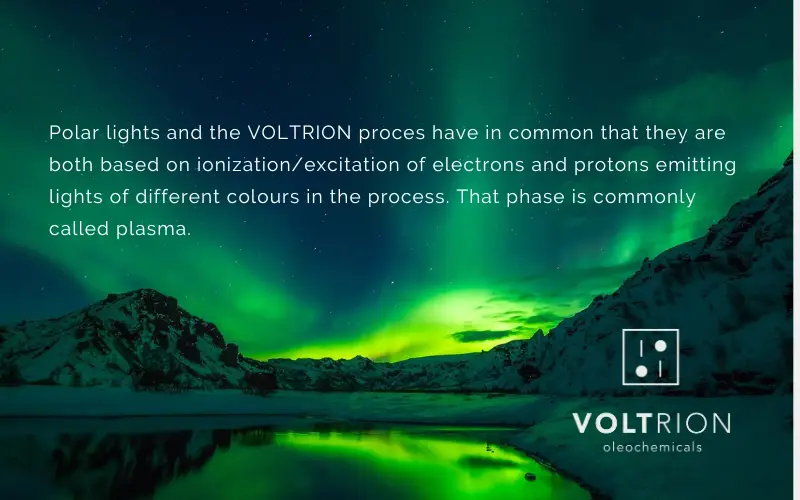
Conventional routes build viscosity with heat: thermal blowing or high-temperature esterification. Voltrion uses a cold-plasma field instead. Plant oils are polymerized at low temperature using plasma induction, which limits thermal by-products.
Key Advantages
The Dipolar Advantage
The cold-plasma field increases the polarity (dipolar character) of the oil. These more polar molecules preferentially adsorb on metal surfaces, forming a dense tribofilm that resists mechanical desorption.
Zero Thermal Stress
Because the process runs at controlled low temperatures, it avoids thermal degradation, which helps preserve oxidative stability and film strength, even under extreme boundary regimes.
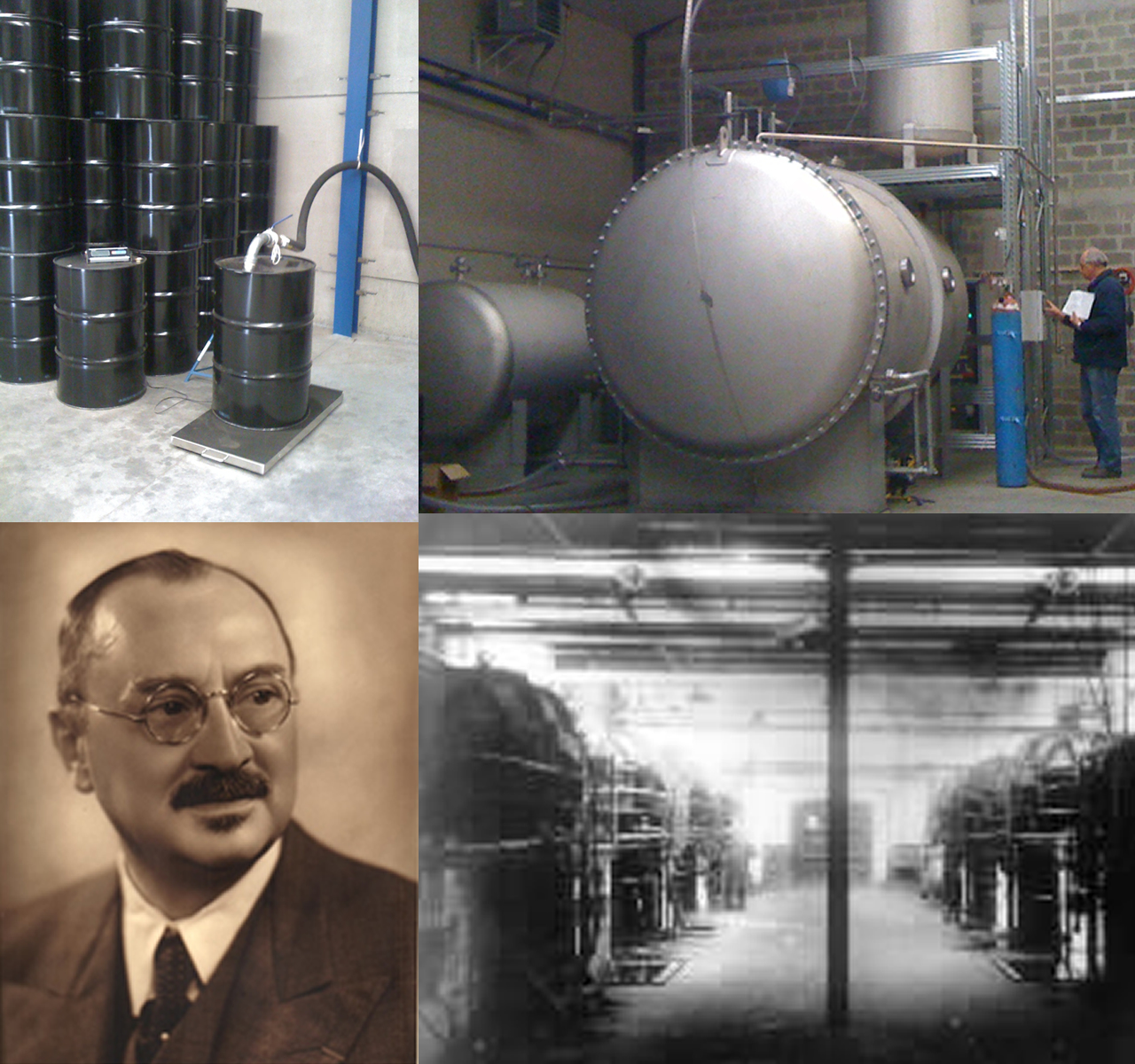
A unique Belgian technology since 1909
1909 PIONEERS IN PLASMA INDUCED ELECTROCHEMICAL PROCESSES.
In 1909 Leopold De Cavel, forefather of current VOLTRION founders started to commercialise and develop electric ionization processes for the lubricants & greases industry. During decades the Belgian (Ghent) company was globally acclaimed for its products ennobled by glow discharge, culminating in the 1930s to 1950s, when these premium motor oils were used in aviation engine lubrication.
VOLTRION was founded exactly 100 years later, with modernised technology and production of highly polar lubricity bio base oils and additives as a result.
Produced with 100% renewable electricity
From feedstock to finished ingredient